Two-Photon Line-Illumination
Temporal Focusing Micro-Nano
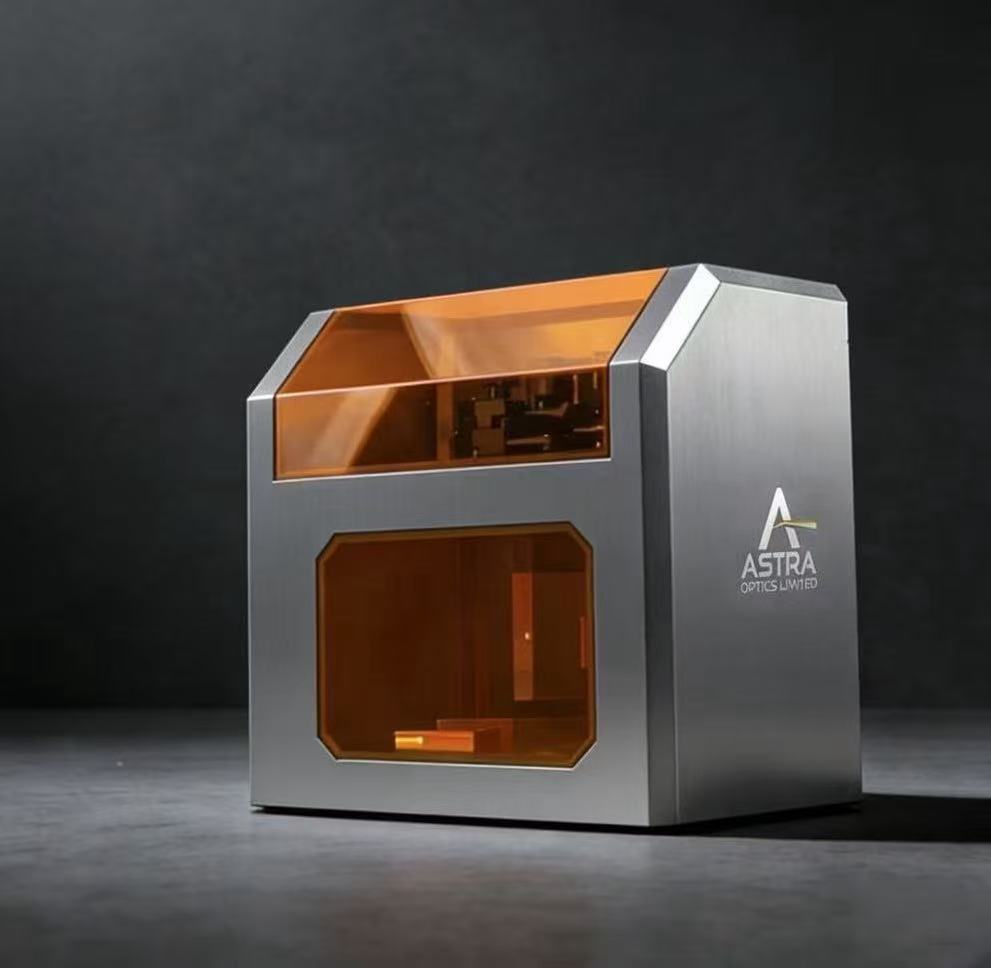
3D Printer LINESCAN 100i
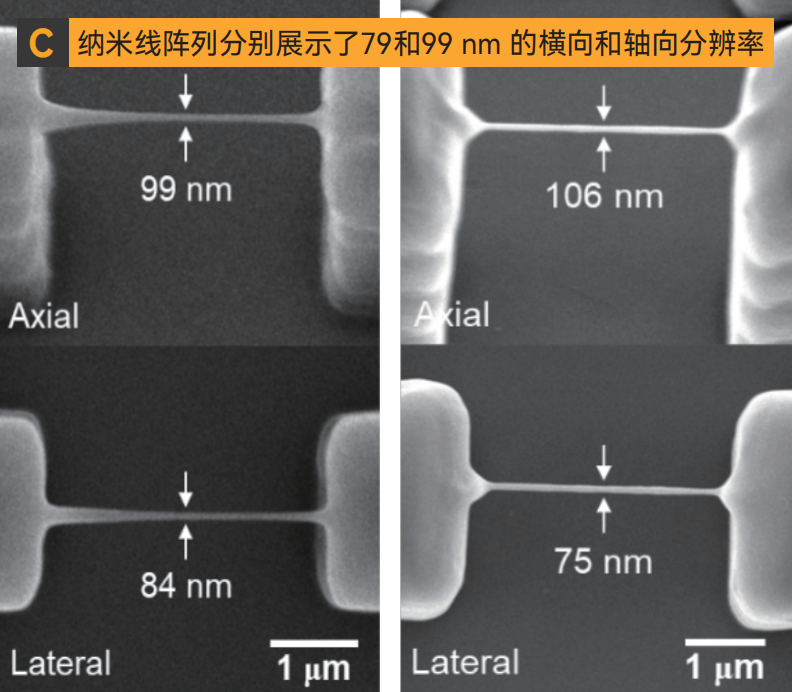
The LINE SCAN-100i system utilizes the cutting-edge Line Illumination Spatiotemporal Focusing(Line-TF TPL) technology to achieve true continuous 3D nanofabrication. Through full-bandwidth data streaming and pixel-level grayscale control, the printing throughput is increased by 12.7 times compared to traditional parallel techniques. This technology completely eliminates stitching defects and achieves sub-diffraction-limit precision with lateral75 nm and axial 99 nm resolution over centimeter-scale areas, providing core driving force for industrial applications in micro-optics, metamaterials,and biomedicine.
System Capabilities
Two-Photon Polymerization (simultaneously high throughput and high resolution)
■ Resolution: Lateral 75nm, Axial 99nm
■ Throughput: 100mm²/hr* (200nm)
■ High-volume printing cost: $1.5 per cubic millimeter
Design
Generate CAD as .stl file
Line-illumination femtosecond projection
AstraWrite
Development
Remove un-polymerized photoresist
Typical application cases
The LINESCAN 100i is a revolutionary cutting-edge tool in many different fields, with applications including:
Drug delivery device
Through sub-micrometer pore structures, achieving precise cell support and controlled drug release.
Biomimetic structures
Multi-material printing of complex biomimetic morphologies, replicating diverse micro-nano geometries found in nature.
Micro-nano fluidic devices
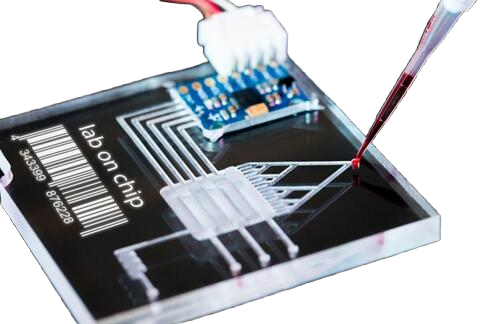
Rapid prototyping of microfluidic channels and chips, accelerating biological and chemical experimental processes.
Metamaterial structures
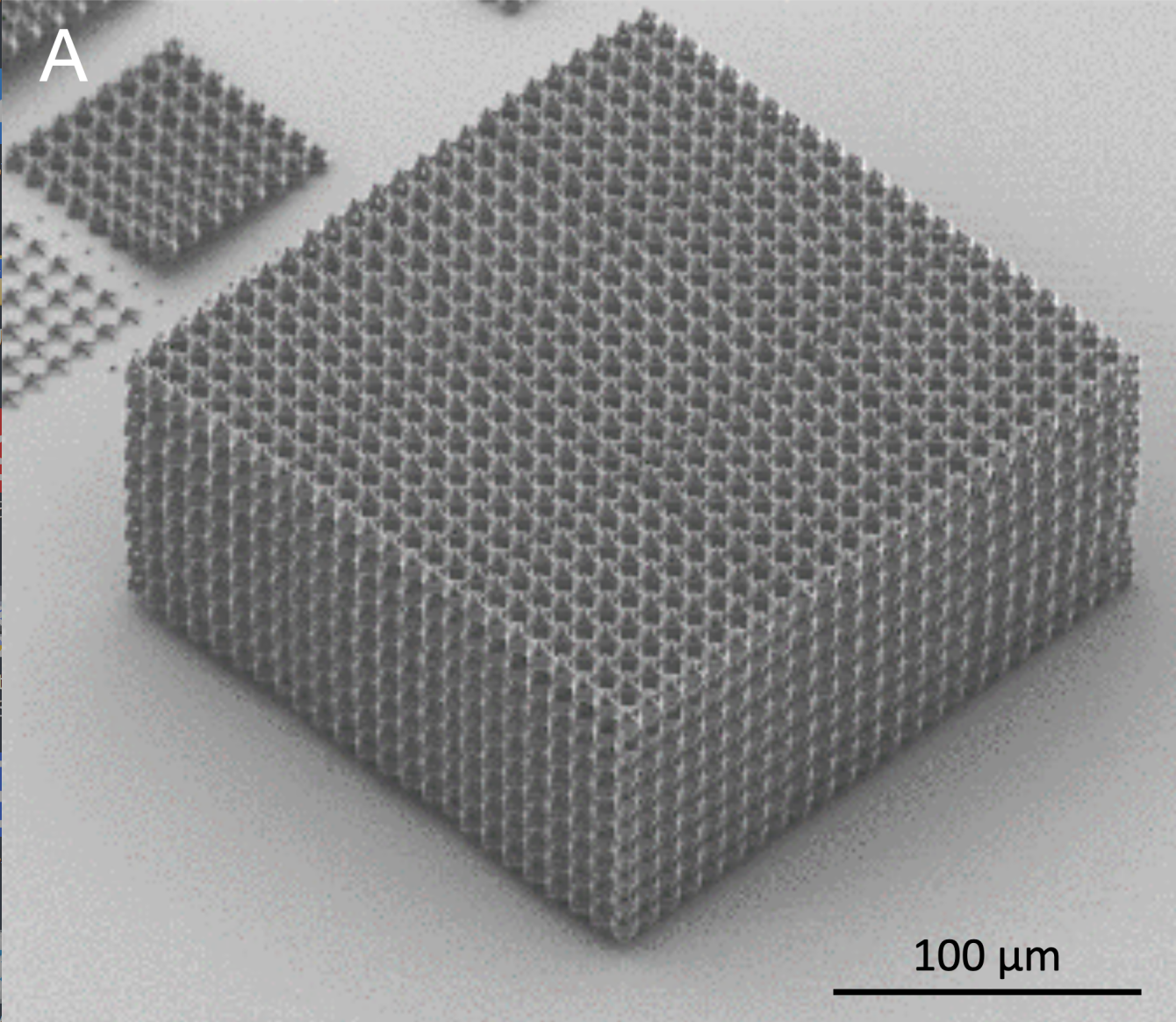
Printing metamaterial lattices with tunable units, achieving controllable optical and acoustic properties.
Micro-nano robots
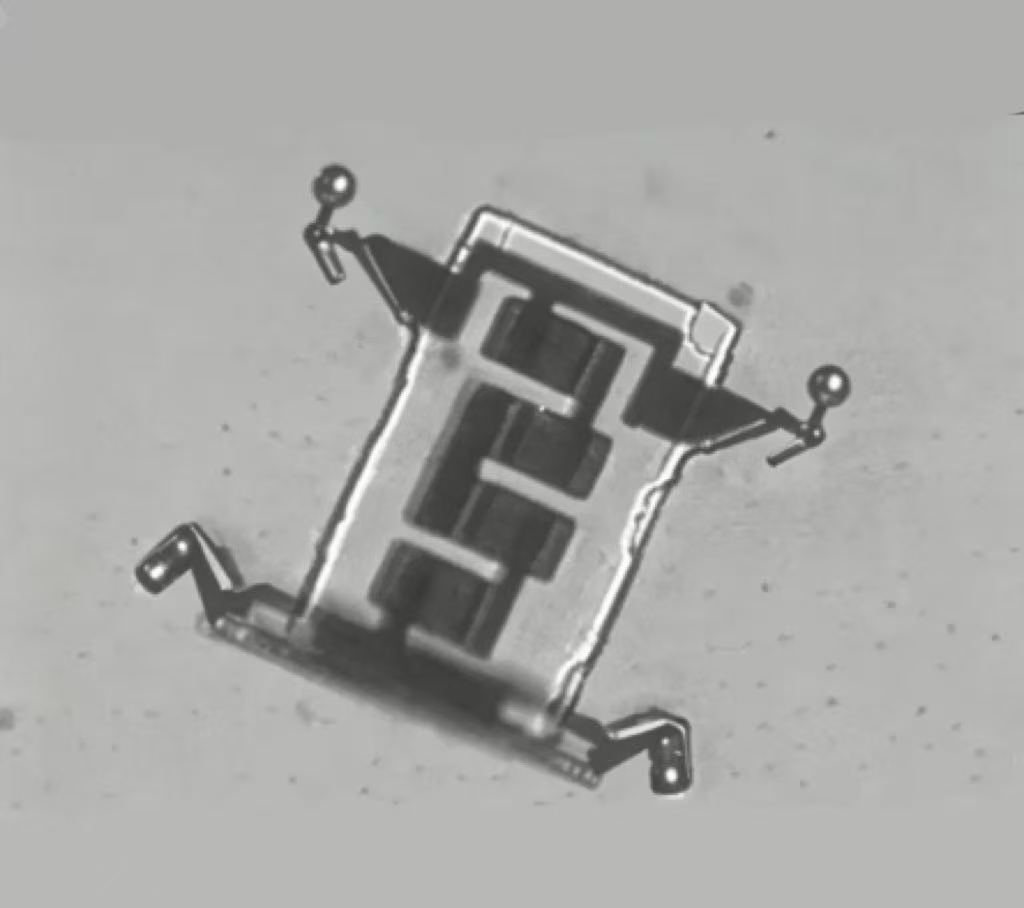
Using multi-material printing to fabricate micro-nano robots with locomotion and functionalization.
Diffractive Optical Element (DOE)
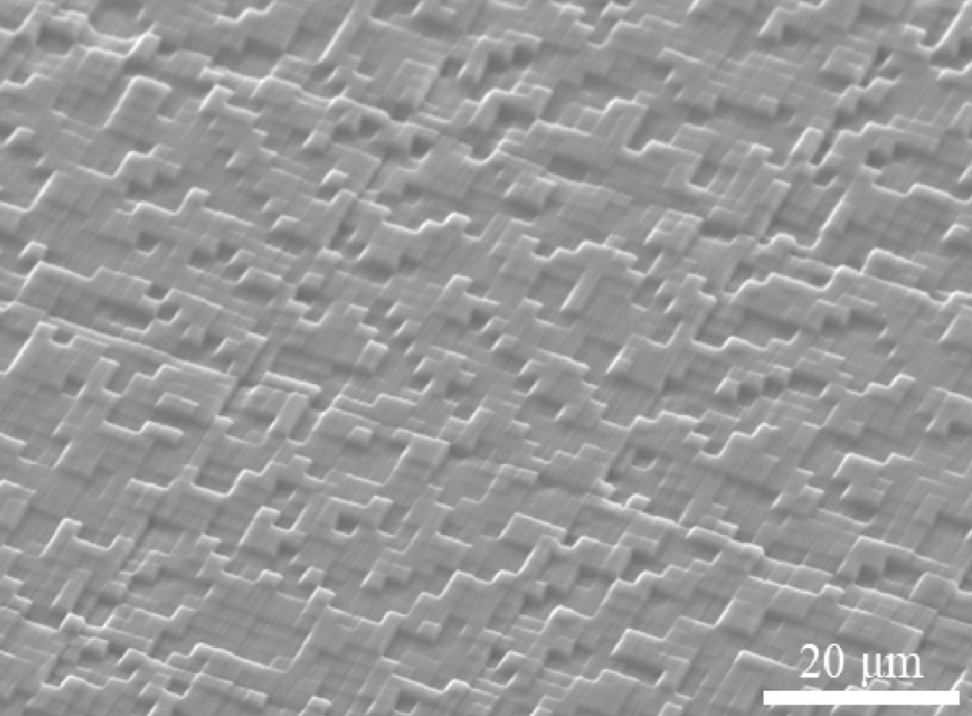
Printing diffractive optical elements with sub-micrometer resolution, achieving efficient wavefront shaping and photonics applications.
Software Control
AstraWrite™ provides a direct and comprehensive user interface to monitor and control the printing process in real time. After converting custom-designed CAD files into DMD patterns, AstraWrite controls the LINESCAN 100i to load the DMD patterns to fabricate designed 2D or 3D structures.
AstraWrite also allows users to control and directly interface with the subsystems in the LINESCAN 100i, including the DMD, XYZ stage, and femtosecond laser source.
Real-time process monitoring
Direct interactive control
Stitching of large-scale structures
Automated printing manufacturing
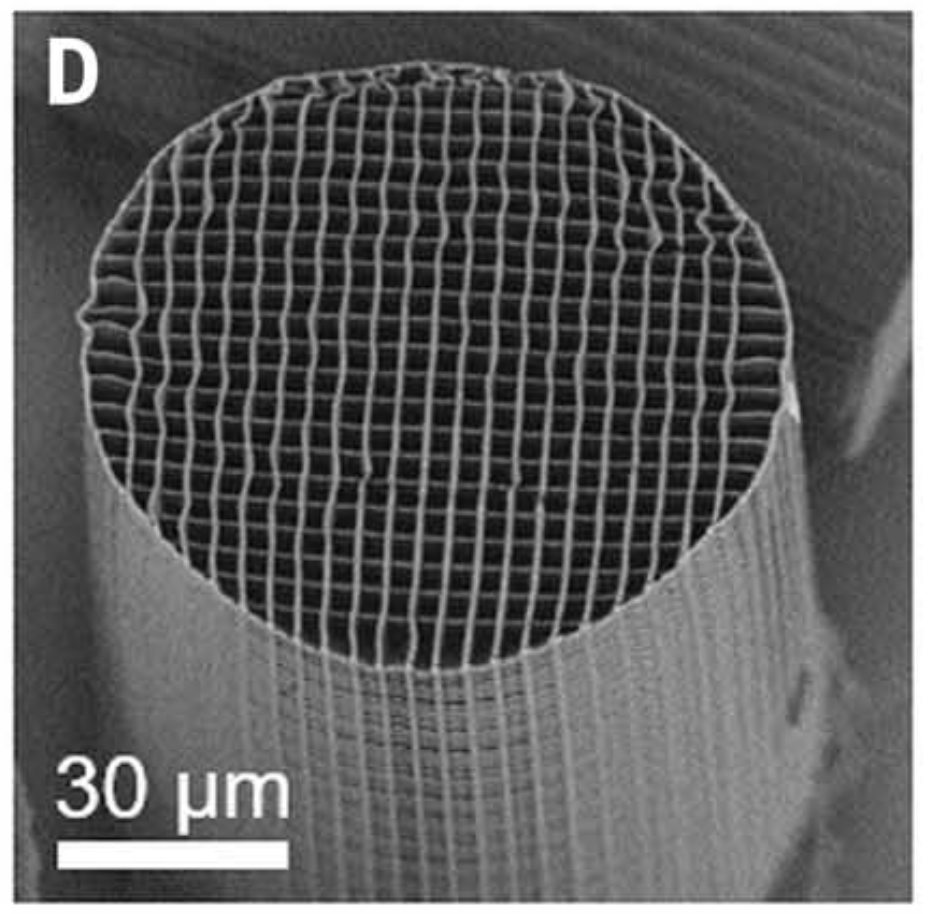
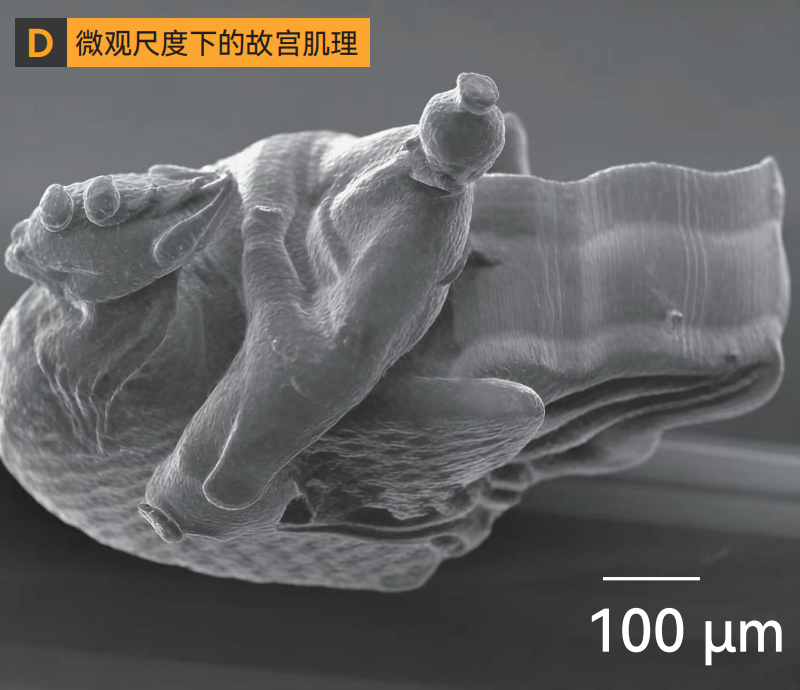
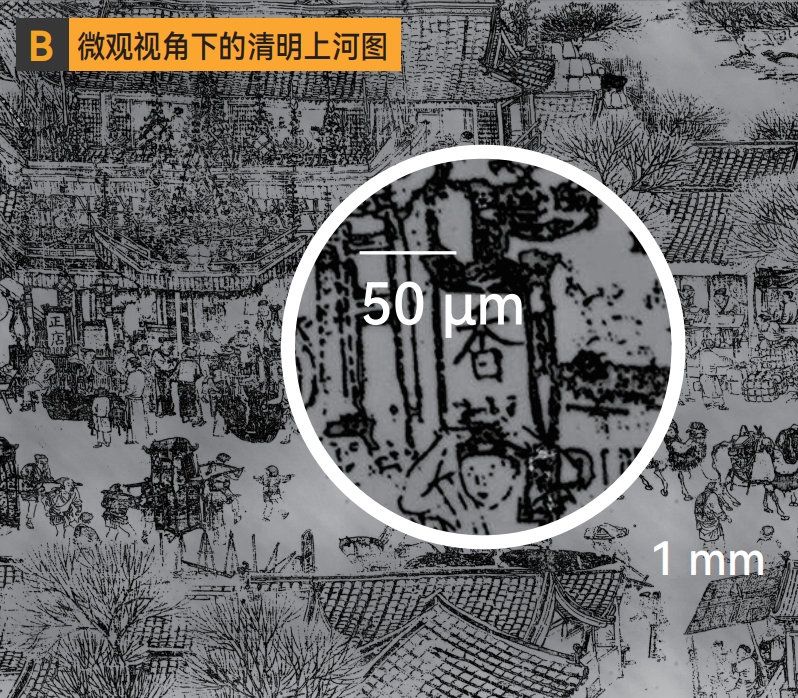
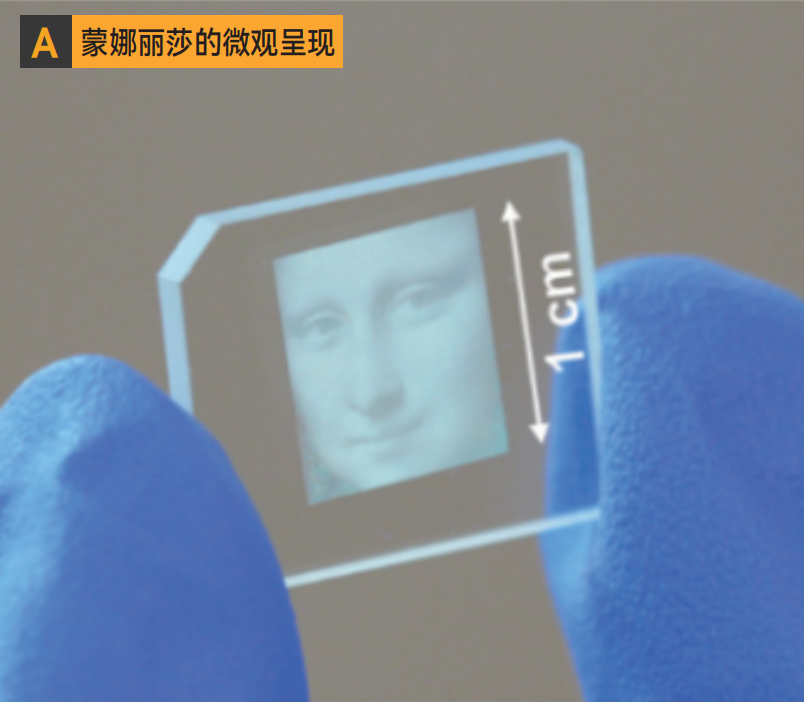
Print complex 3D structures with sub-micrometer resolution using the LINESCAN 100i
The texture of the Forbidden City at the microscale
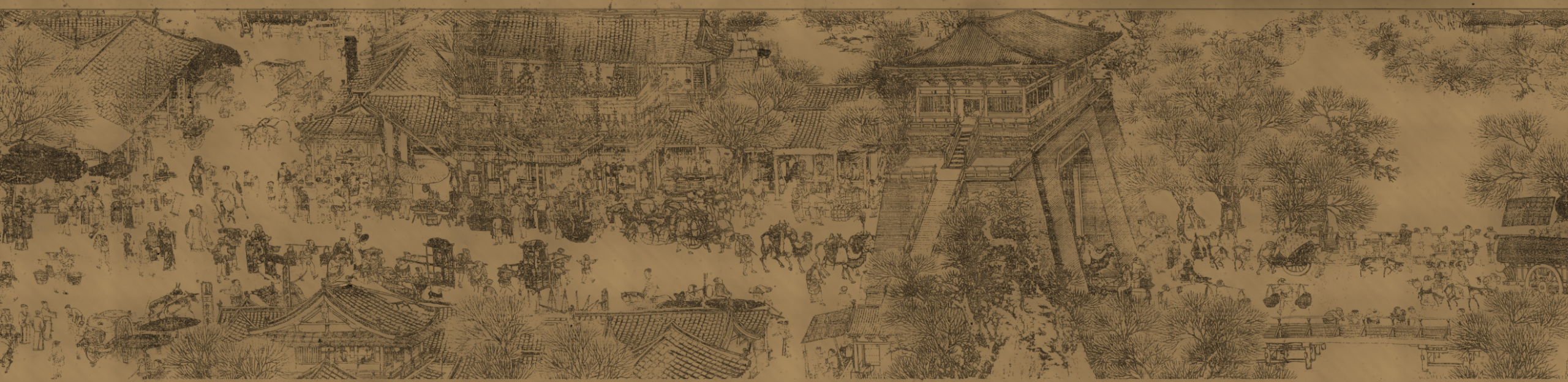
A microscopic view of Along the River During the Qingming Festival
A microscopic presentation of the Mona Lisa
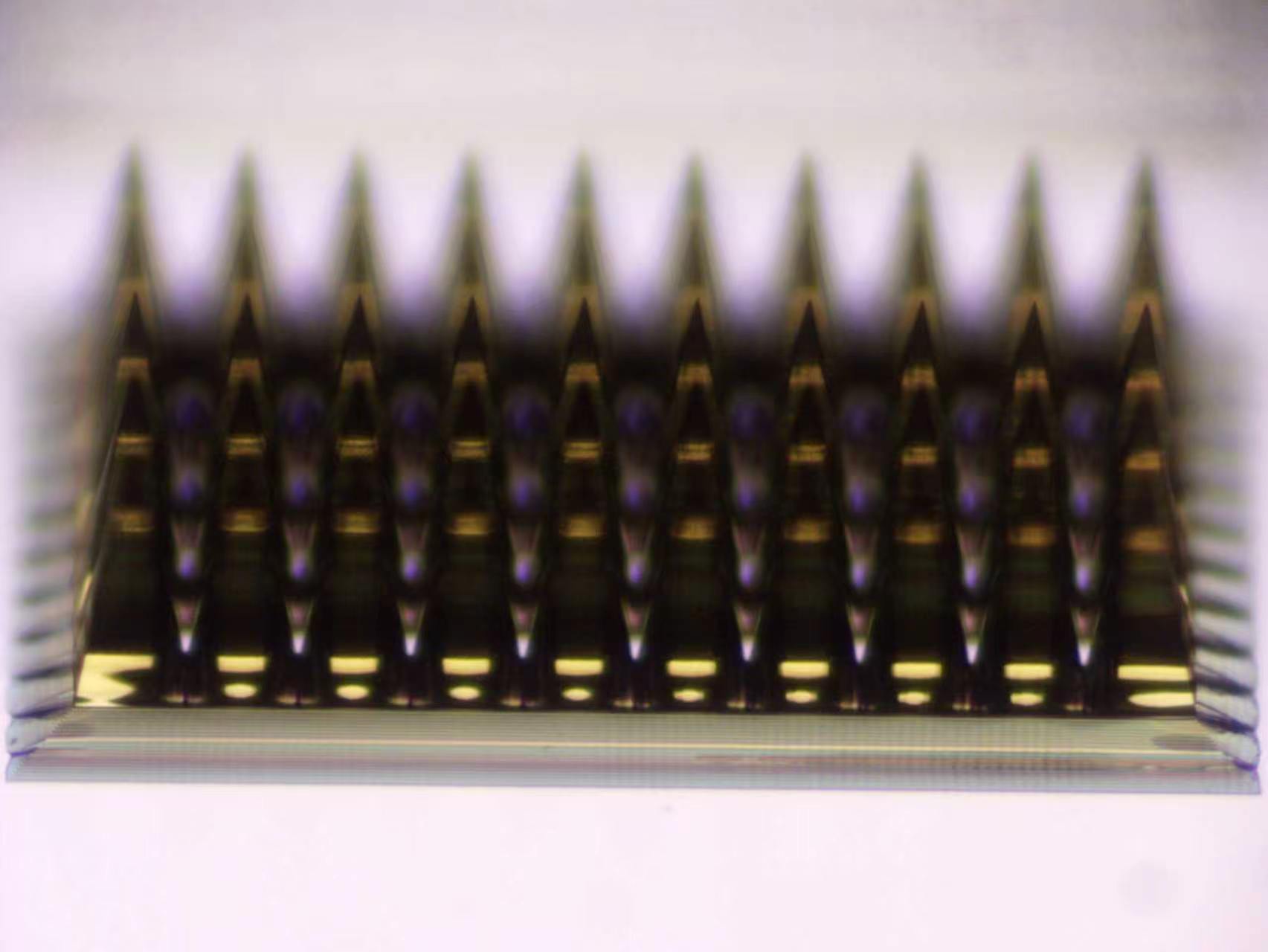
The nanowire array demonstrates lateral and axial resolutions of 79 nm and 99 nm, respectively
Technical specifications
The LINESCAN 100i offers extremely high resolution and manufacturing efficiency. Below are its key performance parameters and applicable fields:
Isotropic Precision:
Completely eliminates traditional printing‘s axial stretching distortion, achieving 1:1 pixel fidelity for precise fabrication of complex 3D geometries.
Seamless Fabrication:
Supports monolithic fabrication of up to 5 cm-scale devices with smooth, seamless surfaces, meeting optical-grade application requirements.
Cost-Friendly:
No need for expensive laser amplifiers,significantly reduces CAPEX and long-term maintenance costs.
Real-Time Streaming:
Eliminates machine ldle time during complex model fabrication,ensuring hardware operates at full speed continuously.
Active Uniformity:
Ensures high structural consistency across the entire fabrication area, greatly enhancing yield rate and reliability for large-area manufacturing.
Vibration isolation and damping required; no vibration sources in the room
Compressed Air Supply
0.55 ± 0.03 MPa, flow rate 40 SLPM
Ambient Air Requirement
No significant airflow within 20 cm
Altitude
Up to 2500 m
Warranty & Statement Support
Astra Optics Limited follows a policy of continuous product improvement. Specifications are subject to change without notice. Astra Optics Limited provides a limited warranty for all LINESCAN 100i systems. For full warranty details, please contact your local sales or service representative.
Frequently Asked Questions
What printing materials does the LINESCAN 100i support?
Supports over 20 types of materials, including metals, alloys, polymers, and biomaterials, suitable for printing complex structures.
How fast is the printing speed?
Printing speed is 100 mm³/hr* (200 nm).
Does it support custom design files?
Yes, imported from CAD files and controlled by AstraWrite for printing.
Does it support high resolution?
Yes, the resolution is as high as ~300nm/900nm, suitable for high-precision requirements.
Exploring a New Era of Optics, Leading the Future of Technology.