
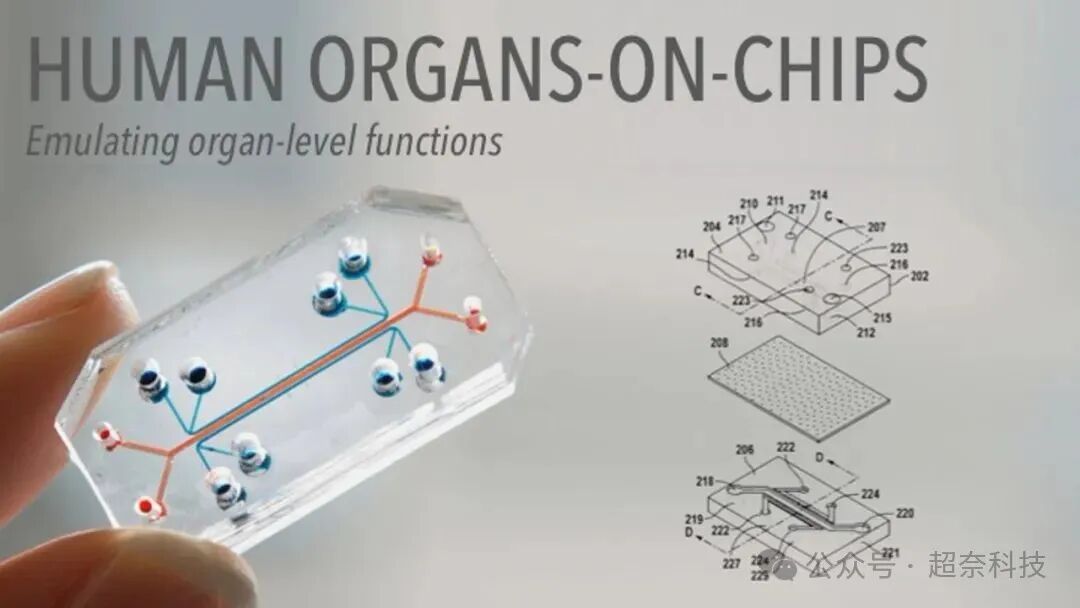

Imagine this: we can print a miniature version of the heart, liver, or lung in the laboratory and use them to test the effects of new drugs. Doesn’t that sound like a science fiction movie? In fact, this technology has already entered reality – it is the 3D printed organ-on-a-chip technology.
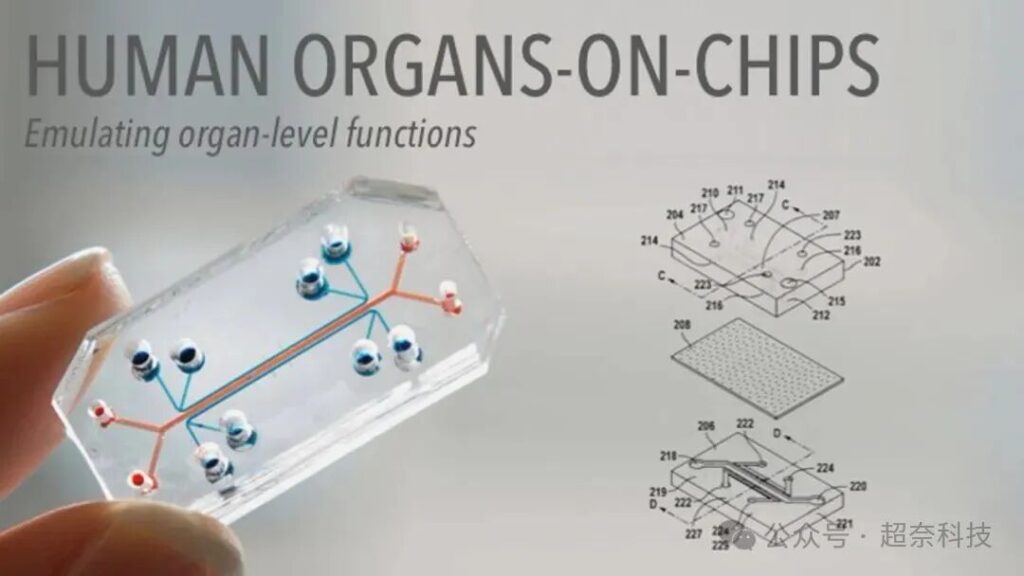
Image source: WYSS Institute
What is an organ-on-a-chip?
Organ-on-a-chip sounds very high-tech, but it is essentially a “miniaturized” replica of the structure and function of human organs copied onto a tiny chip. This chip is usually only the size of a coin, but it contains microscopic channels and culture chambers that can simulate physiological processes such as blood flow and nutrient supply.
Traditional drug testing either uses two-dimensional cell culture (like frying an egg in a flat pan) or animal experiments. However, two-dimensional culture cannot simulate the complex three-dimensional environment inside the human body at all, and the results of animal experiments often cannot accurately reflect human responses – after all, there is still a big difference between mice and humans.
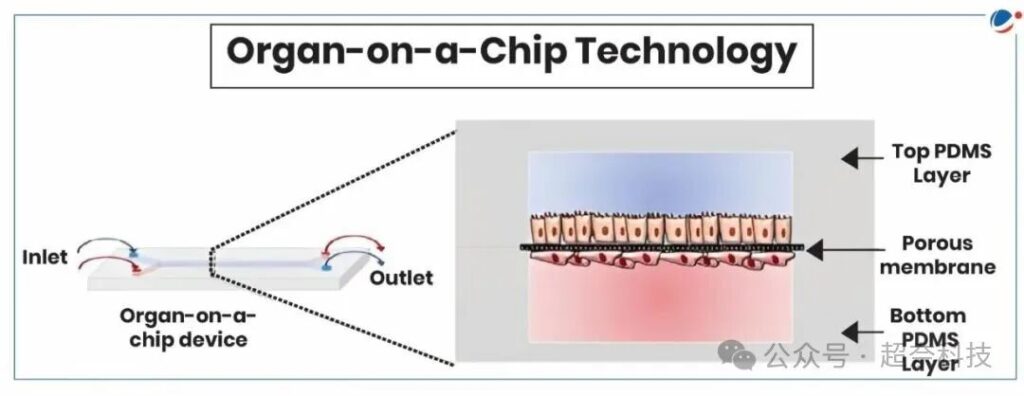
Image source: Vision IAS
How does 3D printing change the game?
Precisely manufacturing the microscopic world
Traditional methods of manufacturing organ chips are as complex as doing handicraft work: they require layer-by-layer assembly and the use of expensive photolithography equipment. 3D printing is like a versatile “magician” that can print complex three-dimensional structures in one go.
Currently, three main 3D printing technologies are making a big splash in the organ chip field:
- Photopolymerization printing: Using light to “draw” fine structures with ultra-high precision, capable of creating microchannels only tens of micrometers in size.
- Material extrusion printing: Stacking materials layer by layer like squeezing toothpaste, suitable for printing bio-inks containing living cells.
- Inkjet printing: Precisely “spraying” cells and biomaterials to designated locations, just like a printer prints text.
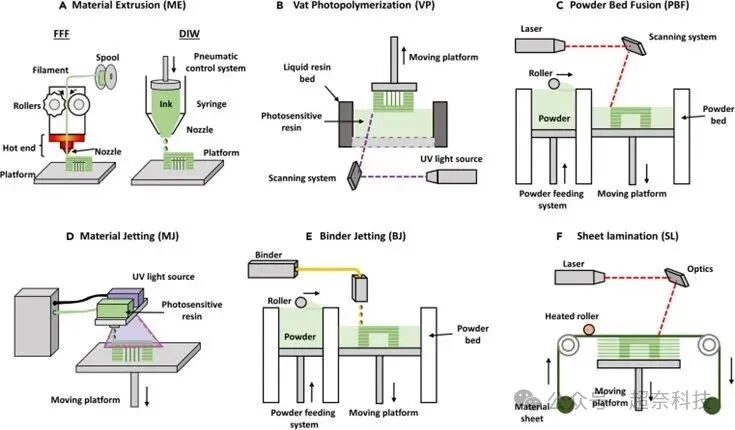
Image source: First Mold
Bio-ink: the new home for cells
The key to printing living tissues lies in the “bio-ink.” These inks are not ordinary plastics, but special materials composed of hydrogels, cells, and nutrients.
For example, alginate gel hardens when it encounters calcium ions, providing a comfortable living environment for cells like jelly. Another example is gelatin methacryloyl (GelMA) combined with hyaluronic acid methacryloyl (HAMA), which can rapidly solidify under ultraviolet light, being cell-friendly while achieving high-precision printing.
From heart to brain: the wonderful world of 3D printed organ chips
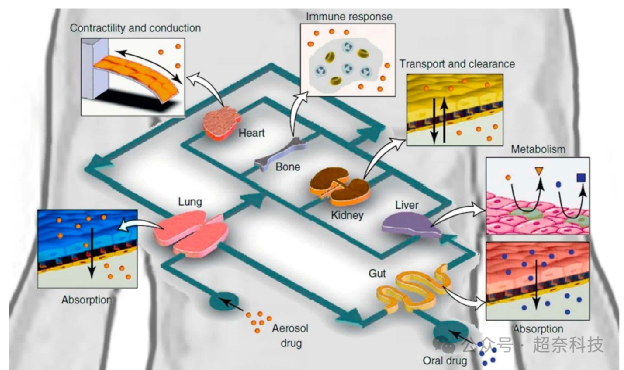
Image source: MDPI
Heart chip: feeling the rhythm of life
Scientists have successfully printed heart chips, in which the cardiomyocytes contract rhythmically, beating like a real heart. These chips can be used to test the effects of heart disease drugs and observe whether the drugs cause side effects such as arrhythmia.
Blood vessel chip: the channel of life
Through coaxial extrusion printing technology, researchers can fabricate dual-layer structures of blood vessels: the inner layer is endothelial cells, and the outer layer is smooth muscle cells, perfectly replicating the structure of real blood vessels. Such blood vessel chips can be used to study diseases such as thrombosis and atherosclerosis.
Brain chip: exploring the mysterious blood-brain barrier
The brain is one of the most mysterious organs in the human body, and the blood-brain barrier makes many drugs “hesitate to advance.” 3D printed brain chips can simulate this barrier, helping scientists develop drugs that can cross the blood-brain barrier, with the potential to treat neurological diseases such as Alzheimer’s disease and Parkinson’s disease.
Liver chip: the chemical factory of the human body
The liver is the most important detoxification organ in the human body. 3D printed liver chips can simulate the metabolic function of the liver, testing the metabolic process of drugs in the human body and predicting possible liver toxicity.
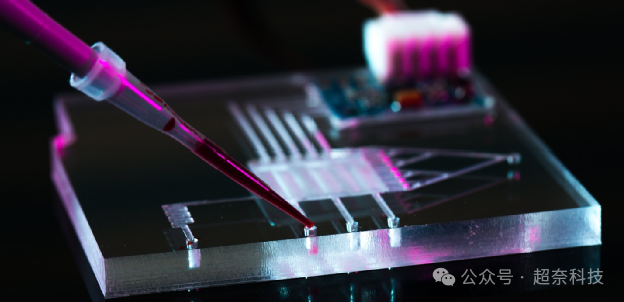
Image source: Axion Biosystems
Where is the future?
New possibilities for personalized medicine
The most exciting thing is that this technology holds the promise of realizing true personalized medicine. Imagine that doctors could use your own cells to print your own organ chip, testing which drugs are most effective for you and which may cause side effects. This is like a customized treatment plan for you.
Multi-organ systems: a miniature version of the human body
Scientists are attempting to connect multiple organ chips to construct a “human-on-a-chip” system. This would allow the study of drug performance throughout the entire human circulatory system, rather than just the response of a single organ.
Challenges and opportunities coexist
Of course, this technology still faces many challenges. For example, how to ensure that printed tissues have complete physiological functions? How to mass-produce standardized organ chips? How to establish unified evaluation standards?
But as with all great technologies, challenges often breed opportunities. With the development of materials science, bioengineering, and artificial intelligence, 3D printed organ-on-a-chip technology is advancing rapidly.

Closing words
3D printed organ-on-a-chip technology allows us to see the infinite possibilities of future medicine. It can not only reduce reliance on animal experiments but also provide humans with more precise and safer medical solutions.
Perhaps in the near future, when you get sick, doctors will first print the relevant organ chip in the laboratory using your cells, find the most suitable treatment method for you, and then begin the formal treatment. At that time, “precision medicine” will no longer be just a slogan, but a reality that everyone can enjoy.
Technological progress is never achieved overnight, but every small step contributes to the cause of human health. 3D printed organ-on-a-chip is precisely such an important building block.